
Inspect clinical evidence on whether ice baths blunt hypertrophic adaptations while mitigating perceived soreness. Discover how to balance acute soreness alleviation with long-term muscle remodeling.
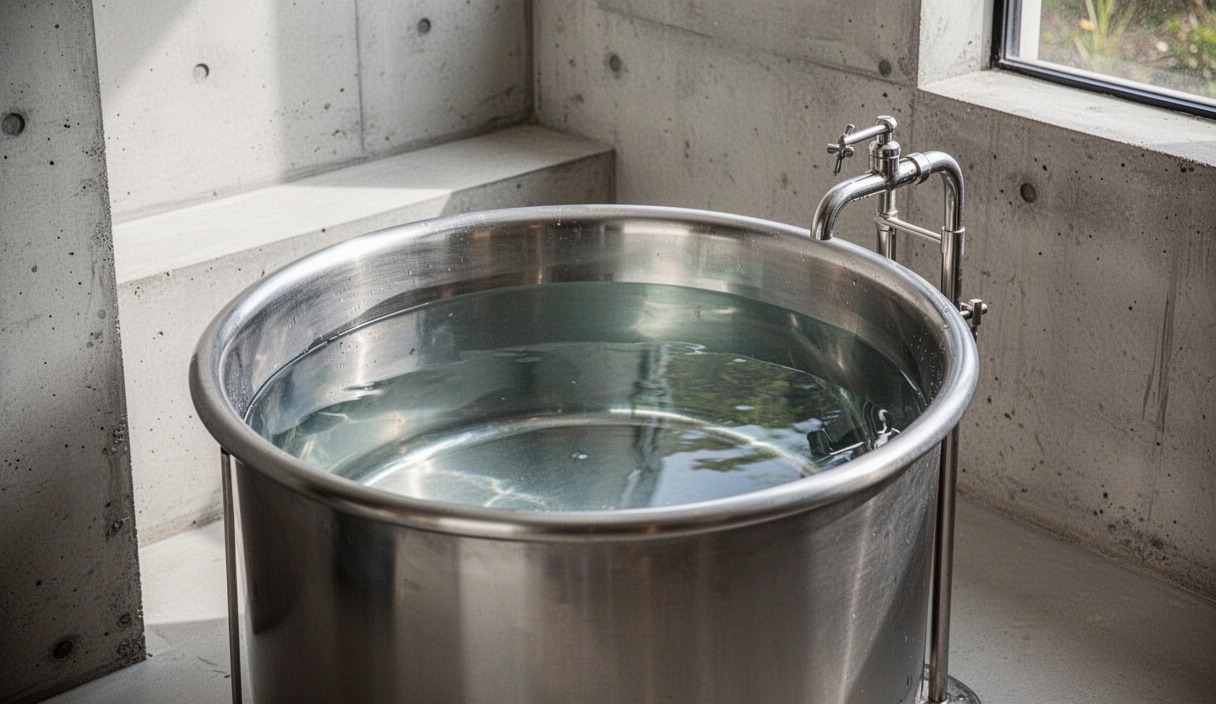
Cold water immersion has transitioned from elite sports training rooms into backyards and commercial gym floors. Athletes immerse their bodies in water chilled to between 10 and 15 degrees Celsius immediately following hard sessions, expecting to bounce back faster for tomorrow's work. The sensation of numbness and the abrupt reduction in perceived muscle soreness create a convincing psychological proxy for physiological repair. Many trainees assume that if an intervention reduces discomfort, it must also enhance the systemic adaptations stimulated by training.
That assumption breaks down when the primary training objective is skeletal muscle hypertrophy. The biological signals that tell a muscle fiber to add protein mass rely on the exact inflammatory cascade that ice water blunts. Over the last decade, molecular biology labs have analyzed muscle biopsies taken after cold plunge protocols, revealing a clear divergence between subjective recovery and structural growth. Understanding this divergence allows lifters and endurance athletes to use cold water immersion strategically rather than reflexively.
Acute Vasoconstriction and Edema Reduction Mechanisms
When the human body enters cold water, cutaneous and intramuscular thermoreceptors trigger an immediate sympathetic reflex. Norepinephrine binds to alpha-adrenergic receptors on vascular smooth muscle cells, prompting rapid vasoconstriction in peripheral arterioles. Blood flow to the extremities drops substantially within two minutes, shunting blood toward the body core to maintain thermal homeostasis. In water kept at 10 to 12 degrees Celsius, intramuscular temperature within the vastus lateralis can drop by 5 to 8 degrees Celsius depending on depth of immersion and subcutaneous adipose thickness.
This localized reduction in vascular caliber directly alters Starling forces across the capillary endothelium. Resistance training induces microtrauma to contractile proteins and the extracellular matrix, triggering local fluid accumulation known as interstitial edema. By suppressing hydrostatic capillary pressure, acute vasoconstriction limits the filtration of plasma proteins and fluid into the damaged interstitial space. This mitigates secondary hypoxic injury, which happens when swelling compresses adjacent capillaries and deprives undamaged muscle fibers of oxygen.
Once the individual exits the cold bath, a reactive hyperemic response occurs as tissues rewarm. Blood returns to the peripheral tissue beds at a controlled rate, flushing out accumulated metabolic byproducts such as inorganic phosphate, hydrogen ions, and lactate. While clearing these metabolites does not accelerate the repair of torn sarcomeres, it effectively decreases swelling inside tight fascial compartments, which reduces baseline nociceptor stimulation and limits stiffness.
Attenuation of sports nutrition Signaling and Ribosome Biogenesis
Muscular hypertrophy requires net positive muscle protein balance over extended periods, driven by the mechanistic target of rapamycin complex 1 (mTORC1) signaling pathway. Following mechanical tension, an intracellular enzyme called focal adhesion kinase activates tuberous sclerosis complex 2, unlocking mTORC1. This kinase subsequently phosphorylates downstream effectors, primarily p70S6 kinase (p70S6K) and eukaryotic initiation factor 4E-binding protein 1 (4E-BP1), setting translation initiation in motion. When an athlete sits in ice water directly after resistance exercise, this enzymatic cascade is blunted.
Muscle biopsy studies show that applying cold water immersion within two hours of a hypertrophy session reduces p70S6K phosphorylation for up to 48 hours compared to passive rest. Cold shock suppresses the activity of upstream amino acid transporters, limiting the uptake of leucine and other branched-chain amino acids into the sarcoplasm during the initial recovery window. Furthermore, cold immersion reduces muscle protein synthesis rates by 12 to 26 percent over a two-week period of concurrent resistance training, compromising cumulative myofibrillar protein accretion.
The interference extends deeper into the structural machinery of the cell via ribosome biogenesis. To support long-term increases in muscle fiber diameter, the muscle cell must transcribe ribosomal RNA (rRNA) to expand its translational capacity. Cold immersion suppresses key transcription factors, such as upstream binding factor and cyclin-dependent kinase complexes, which coordinate rRNA synthesis. Satellite cell activity, the process where myogenic stem cells donate nuclei to expanding myofibers to preserve the myonuclear domain, is also suppressed when inflammatory cytokines like interleukin-6 and tumor necrosis factor alpha are cleared prematurely.
| Biological Marker | Passive Rest Response | Post-Exercise Cold Immersion | Impact on Hypertrophy |
|---|---|---|---|
| p70S6K Phosphorylation | Robust rise at 2 to 4 hours post-workout | Markedly suppressed for up to 24 hours | Reduced translation initiation |
| Satellite Cell Proliferation | Elevated for 48 to 72 hours | Significantly reduced via blunted cytokine signaling | Impaired myonuclear addition |
| Amino Acid Influx | Enhanced cellular transporter uptake | Constricted microvasculature slows perfusion | Lowered substrate availability for protein synthesis |
| Total rRNA Concentration | Increases across repeated training weeks | Downregulated transcription via cellular cooling | Lower ceiling for long-term protein translation |
Soreness Metrics Versus Objective Force Generation
Athletes regularly confuse delayed-onset muscle soreness (DOMS) with actual structural impairment. DOMS peaks between 24 and 72 hours post-exercise, driven primarily by microdamage to the connective tissue around muscle bundles (the perimysium and endomysium) rather than damage to the contractile filaments themselves. Cold water provides local analgesia by decreasing nerve conduction velocity along unmyelinated group IV and thinly myelinated group III sensory afferents. When nerve fibers cool, the threshold for action potential generation rises, giving the trainee a subjective sense of complete restoration.
Objective assessments of performance tell a contrasting story. Dynamometry tests measuring maximal voluntary isometric contraction (MVIC) and countermovement jump (CMJ) force plates show that cold water immersion does not restore contractile capacity faster than active rest or standard nutrition. In several controlled trials, athletes who felt refreshed after a cold plunge generated identical, or in some instances lower, peak torque at 24 and 48 hours compared to control groups who sat at room temperature.
The table below highlights the divergence between how an athlete feels and how their neuromuscular system actually outputs force across a 48-hour post-workout window.
| Timepoint | Perceived Muscle Soreness (0 to 10 Scale) | Maximal Isometric Force Deficit | Functional Interpretation |
|---|---|---|---|
| 2 Hours Post-Training | Cold: 2.1 | Passive: 4.8 | Cold: -18% | Passive: -19% | Numbing masks underlying mechanical fatigue. |
| 24 Hours Post-Training | Cold: 3.4 | Passive: 6.2 | Cold: -11% | Passive: -12% | Pain is muted, but contractile filaments remain damaged. |
| 48 Hours Post-Training | Cold: 1.8 | Passive: 3.9 | Cold: -4% | Passive: -5% | Subjective readiness returns faster than raw power output. |
Periodizing Cold Exposure for Competition Versus Hypertrophy
Cold water immersion should not be classified as inherently beneficial or universally destructive. Its value depends entirely on the biological objective of the training phase. When maximal functional adaptation is the priority, cold immersion directly competes with the desired outcome. When performance preservation across a congested tournament calendar takes precedence, the anti-inflammatory and soothing comfort properties of cold water outweigh any concern over long-term tissue remodeling.
The Hypertrophy and Off-Season Phase
During an off-season or dedicated hypertrophy cycle, eliminate cold water immersion within six to eight hours of resistance training. The body requires inflammatory signaling molecules, including prostaglandins produced by cyclooxygenase-2 (COX-2), to guide tissue remodeling. If an athlete desires the general health benefits of cold exposure, such as improved autonomic tone or psychological resilience, schedule the cold session prior to the workout or on dedicated rest days. Keeping at least six hours between lifting and cold immersion prevents the disruption of the initial sports nutrition phosphorylation cascade.
Tournament and In-Season Congestion
In competitive environments where athletes must compete multiple times within a short span, such as a multi-day grappling tournament, back-to-back soccer matches, or cross-country heats, long-term muscle growth is irrelevant. The sole objective is maximizing acute work capacity for the next round. Under these circumstances, apply cold water immersion protocols immediately following the event to suppress central fatigue, drop core body temperature, and reduce the sensation of tissue soreness.
- Select the correct water temperature: Fill an immersion tub and stabilize the water temperature between 11 and 15 degrees Celsius. Avoid dropping below 10 degrees Celsius, as extreme cold can trigger intense peripheral pain and unnecessary systemic stress without providing extra circulatory benefit.
- Submerge to the appropriate depth: Step into the tub and submerge the body up to the clavicles. Full-torso immersion yields hydrostatic pressure benefits across the lower body and trunk, improving venous return more effectively than submerging only the legs.
- Hold the position for the prescribed duration: Remain still for 11 to 15 minutes. Avoid moving constantly, as movement breaks the thermal layer of warmed water that naturally forms against the skin.
- Execute passive rewarming: Step out of the tub and dry off. Put on warm clothing and allow the body to rewarm naturally over 30 to 45 minutes. Avoid jumping into a hot shower immediately, as sudden artificial rewarming can induce rapid peripheral vasodilation, precipitating orthostatic dizziness.
Alternative Passive Modalities for Promoting Muscle Repair
If your goal is to assist recovery without blunting muscular hypertrophy, several passive and low-intensity modalities provide physiological assistance without terminating the cellular inflammatory signal.
Pneumatic Compression Therapy
Pneumatic compression sleeves use sequential air chambers that inflate from the distal extremities toward the core. Pressures typically range between 60 and 100 millimeters of mercury. This mechanical action mimics the natural skeletal muscle pump, accelerating venous return and clearing interstitial lymph without dropping intramuscular temperatures. Because pneumatic compression relies on mechanical displacement rather than enzymatic suppression, it leaves mTORC1 and downstream satellite cell activity undisturbed.
Active Low-Intensity Recovery
Performing 15 to 20 minutes of concentric-only, low-load exercise, such as riding a stationary cycle at 40 to 60 watts or walking backward on a treadmill, promotes regional blood flow without inducing further mechanical microtrauma. The increased microvascular perfusion supplies essential glucose and amino acids directly to recovering fibers while gently warming the tissue. This light muscular action assists in clearing metabolic debris through lymphatic drainage while sustaining the metabolic signaling required for positive protein turnover.
Contrast Water Therapy
Contrast therapy involves alternating between hot water (38 to 40 degrees Celsius) and cold water (12 to 14 degrees Celsius). A common protocol consists of three minutes in the hot bath followed by one minute in the cold bath, repeated for four to five cycles. The alternating vasodilation and vasoconstriction acts as a vascular pump. Crucially, because the cold exposure is brief and interspersed with heat, intramuscular temperature never drops enough to suppress the molecular cascades responsible for ribosome biogenesis and muscle protein synthesis.
Common Mistakes
- Plunging immediately after hypertrophy training: Jumping into cold water within 60 minutes of finishing a heavy resistance workout directly shuts down the kinase cascades that drive muscle growth.
- Using freezing temperatures: Adding excessive ice until water drops below 8 degrees Celsius causes severe sympathetic shock and pain responses without delivering any additional recovery benefit over standard 11 to 15 degree Celsius water.
- Relying on subjective soreness as an indicator of muscle repair: Assuming that the absence of soreness equates to fully repaired structural proteins leads trainees to load damaged tendons and fibers prematurely, elevating the risk of overuse injuries.
- Neglecting post-immersion natural rewarming: Running into a high-temperature sauna or scalding shower right after an ice bath triggers rapid peripheral blood pooling, which can cause lightheadedness or syncope.
Practical Next Steps
To audit and optimize your recovery routine, begin by categorizing your current athletic objective. If your primary focus is adding lean tissue or building maximal strength over the next 8 to 16 weeks, pull all cold water immersion out of the immediate post-workout window. Shift your cold exposure to rest days, or place it at least six hours away from the end of your resistance training sessions.
If you are in the middle of an in-season competitive schedule with multiple games or meets per week, keep an immersion tub prepared at 11 to 15 degrees Celsius. After competition, submerge up to your neck for 12 minutes, allow your body to rewarm naturally in dry layers, and rely on the soothing comfort properties to maintain movement quality over subsequent days. If you have underlying cardiovascular issues, chronic cardiovascular wellness, or circulatory disorders, consult a qualified medical professional before introducing extreme thermal protocols to your training program.
This publication provides educational information and does not constitute medical advice; consult a sports physician or licensed physical therapist for clinical guidance. Disclaimer